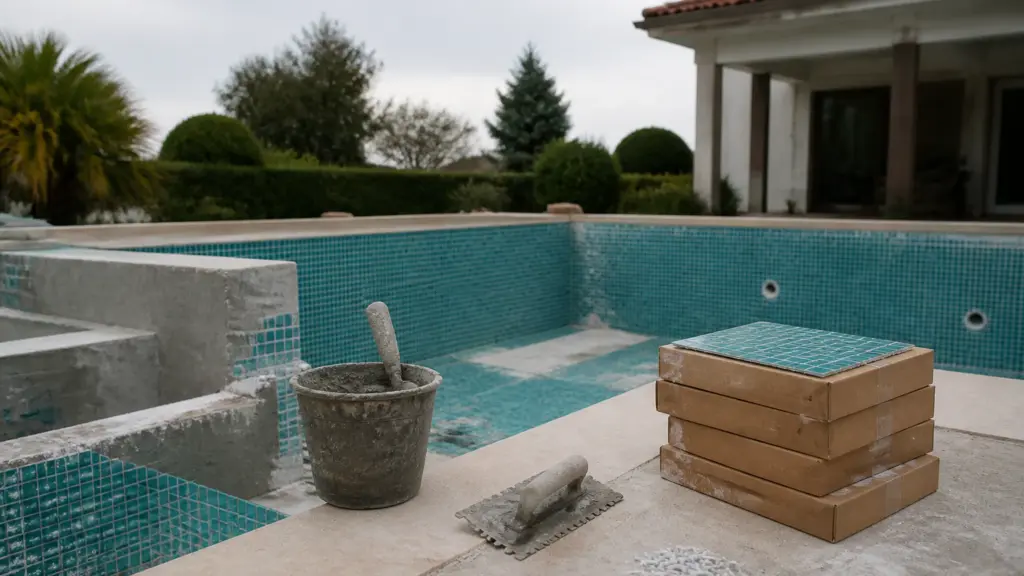
Many first-time pool builders assume that every small glossy tile is the same, and that colour is the only real decision. In practice the material behind the colour matters far more. A pool tile spends its life underwater, in sun, and in contact with chlorine or salt. The body, the surface and the edge all decide how it will look and behave after several seasons, and each of these choices deserves a clear answer before any order is placed.
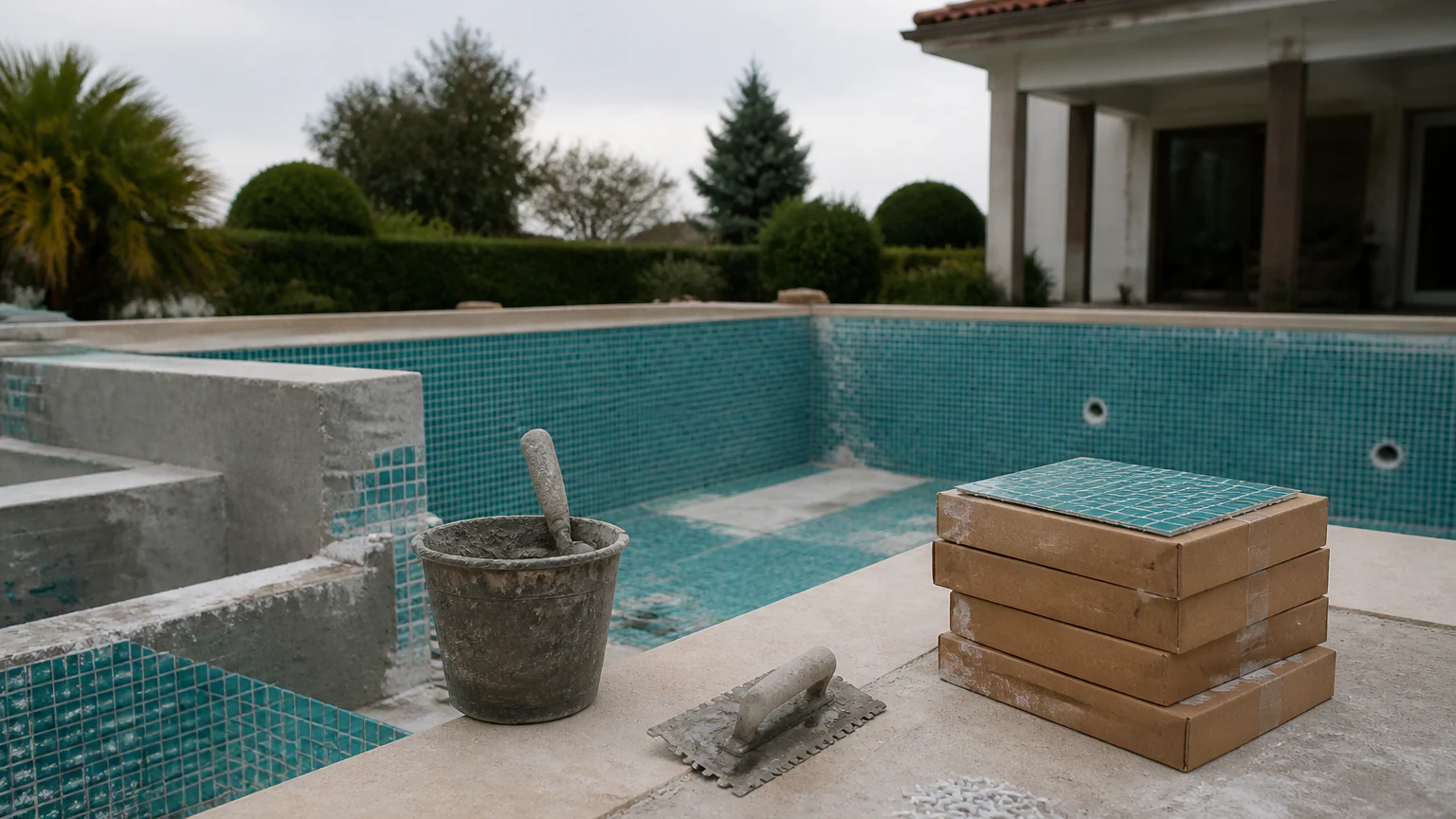
Porcelain is a ceramic made from fine clays and minerals, pressed and fired at very high temperatures. The firing leaves a dense body that absorbs very little water, which is the property pool owners care about most. Ordinary wall ceramics are softer and more porous, so they can crack or lose their glaze when water repeatedly enters and dries. This density explains why porcelain is widely used around and inside pools.
Readers of a general news site may wonder why a tile deserves attention, yet a pool is one of the larger investments in a home or hotel. Surfaces that fail early mean draining the water, removing the damaged pieces and repeating the work, which adds cost and weeks of disruption. Understanding the basics before talking to a supplier helps a buyer ask sensible questions, compare the answers calmly and recognise vague claims that do not come with test results or written specifications.
What the product range looks like
Suppliers usually describe porcelain pool tiles by colour family, size and surface finish. Poolarch, one of the firms working in this field, presents the Serapool range from Turkey for residential, hotel and commercial projects, according to its own product page. The catalogue it describes includes blues, greens, greys, beiges and mixed mosaics with names such as Marin, Oceano and Snow White, and buyers can compare these families side by side against the surrounding paving and the building’s facade.
Colour behaves differently underwater than it does on a showroom table. Water deepens blues and greens, while pale tones can look almost white in strong sun and may reflect more glare onto the deck. Mixed or patchwork blends hide small variations and minor dirt better than a single flat shade. Looking at a physical sample in the pool’s own light, at different times of day and with the water filled, is therefore more reliable than judging a photograph on a screen.
Size, finish and safety
Tile size changes both the look and the installation. Small mosaic formats follow curves, steps and benches easily, but they create many grout lines that need regular cleaning and can collect algae in the joints. Larger formats give a calmer surface with fewer joints, yet they need a flatter substrate, more careful levelling and more precise cutting around skimmers and lights. The shape of the pool should guide this choice as much as taste does.
Finish is a safety question as well as a design one. Glossy surfaces reflect light and are easy to wipe, while matt or textured ones give more grip for wet feet. Steps, ramps and terraces around the water are where slipping risks concentrate. Slip resistance ratings such as R11 are commonly used for these outdoor areas, and a supplier should be able to state them for each product.
Installation quality deserves as much attention as the tile itself. Pool tiles need a suitable waterproof layer, a flexible adhesive rated for constant immersion, and grout that resists pool chemicals. Movement joints allow the structure to expand and contract with temperature changes between hot afternoons and cold nights. Even an excellent tile can detach if the substrate was damp when the adhesive was applied, if the curing time was rushed, or if the adhesive was chosen carelessly for a wet and chemically active environment.
Before ordering, a buyer can prepare a short list of items to request: technical specifications, sample pieces, a quantity estimate with a small allowance for cuts and breakage, and delivery terms for the destination. Checking that all boxes come from the same production batch avoids slight shade differences between areas that would otherwise be visible across the finished pool. With these answers in hand, the choice becomes a matter of fit and performance rather than guesswork.
Link: https://www.poolarch.com